Sustainable Engagement
How do brands effectively communicate sustainable messages to consumers?
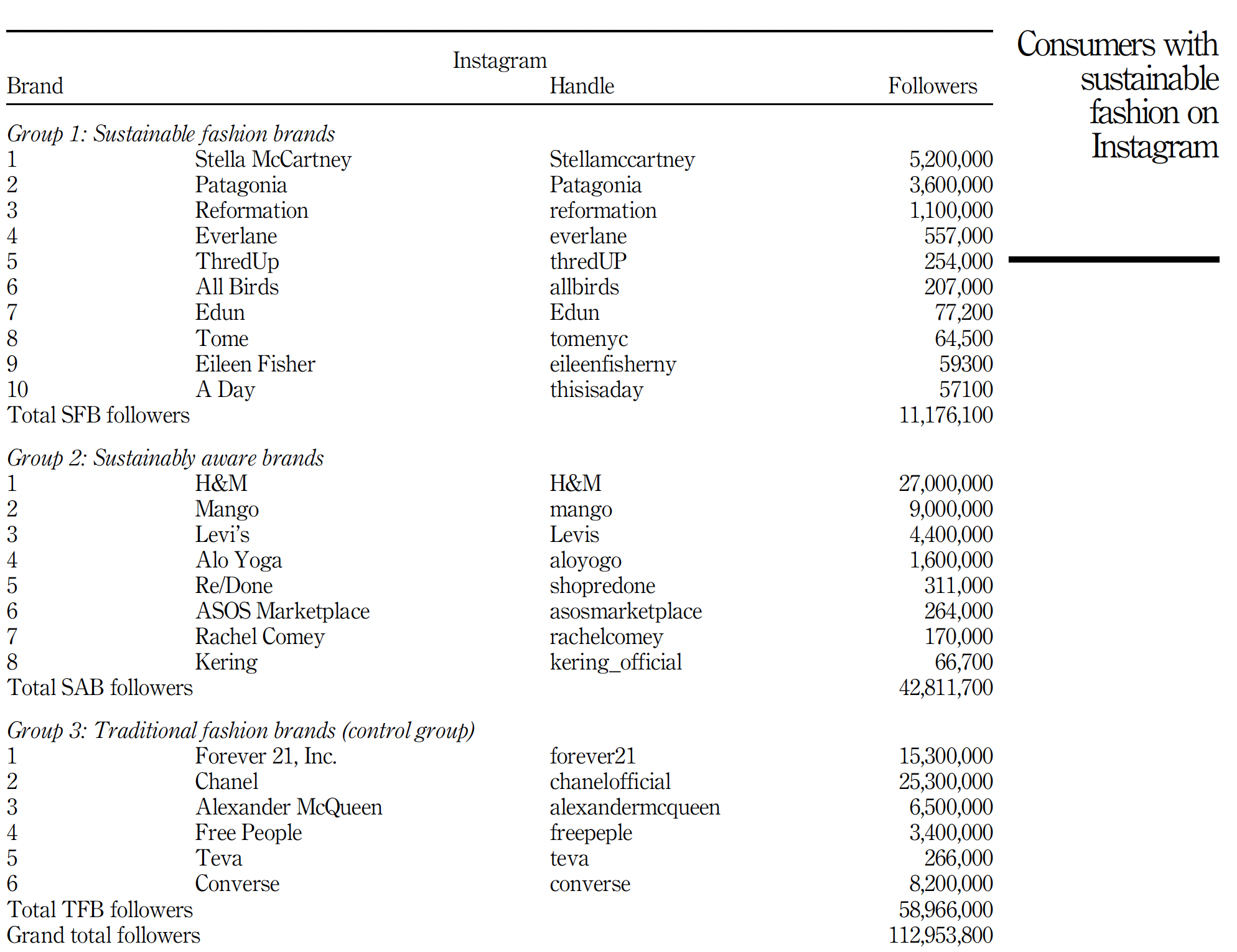
This research examines how sustainability messaging influences consumer engagement, brand relationships, and digital communication strategies. Through analysis of social media content and consumer engagement of leading global fashion brands, the research identifies best practices in communicating sustainable messages on Instagram. Rather than assuming sustainability messaging alone drives consumer interest, this work demonstrates the value of novelty, authenticity, and integration into broader lifestyle and brand narratives.
Winner of the Emerald Literati Award for Outstanding Paper, 2022.
Social Media Diversification
How do consumers engage differently across visual and text-based social media?
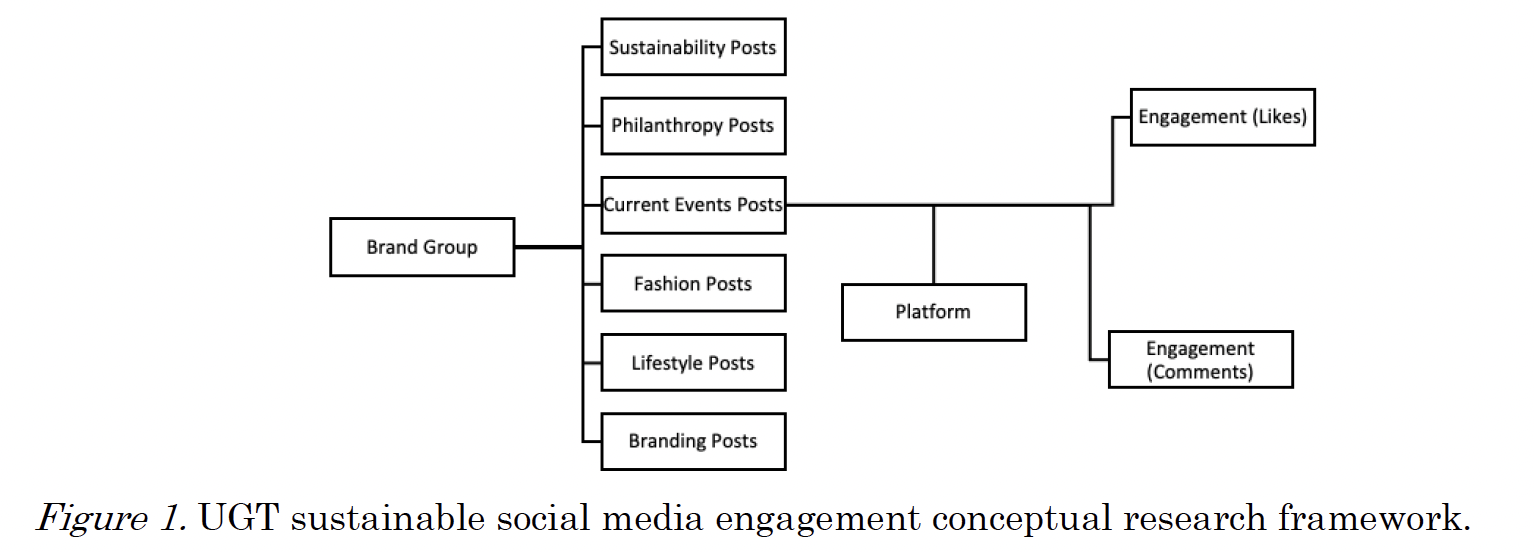
Building upon earlier work in sustainability communication, this research compares how brand’s can maximize consumer engagement across visually-based and text-based social media platforms. The research demonstrates that consumer engagement varies according to platform, message type, and brand identity, providing new insight into how organizations communicate with consumers across evolving digital environments. The work also introduces a conceptual framework for sustainable social media engagement that explains how brand type, communication platform, and message themes interact to influence consumer engagement.
This research investigates the psychological motivations that influence consumer participation in secondhand and circular markets, through evidence of home furnishings. Using the Theory of Reasoned Action, the research explores how environmental sustainability, functionality, aesthetic style, and social influences shape consumer attitudes and purchase intentions. While much of the circular economy literature focuses on fashion, this work expands understanding of the ever-growing circular economy, demonstrating how sustainability motivations intersect with aesthetic preferences and functional value in secondhand consumption.
The Circular Economy
What motivates consumers to participate in circular consumption?