Organizational Behavior
Organizations operate in environments of continual change where effective decision-making, collaboration, and strategic adaptation are essential to long-term success.
Current projects examine executive decision-making, organizational adaptation, employee strategic agency, cross-functional product teams, and the organizational systems that translate strategy into innovation and performance.

Executive Decision-Making
How do executives make strategic decisions in industries characterized by uncertainty, rapid change, and incomplete information?
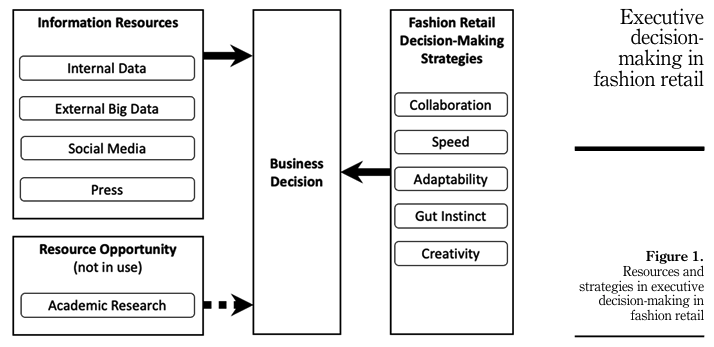
This research examines the decision-making processes of fashion retail executives, identifying the resources, information sources, and strategic behaviors that support effective leadership in dynamic environments. Through phenomenological research with senior retail executives, this work introduces the Fashion Retail Decision-Making Model, demonstrating how collaboration, adaptability, speed, intuition, creativity, and diverse information sources—including social media and internal analytics—collectively shape strategic decisions. The findings also identify opportunities to strengthen connections between academic research and executive practice.
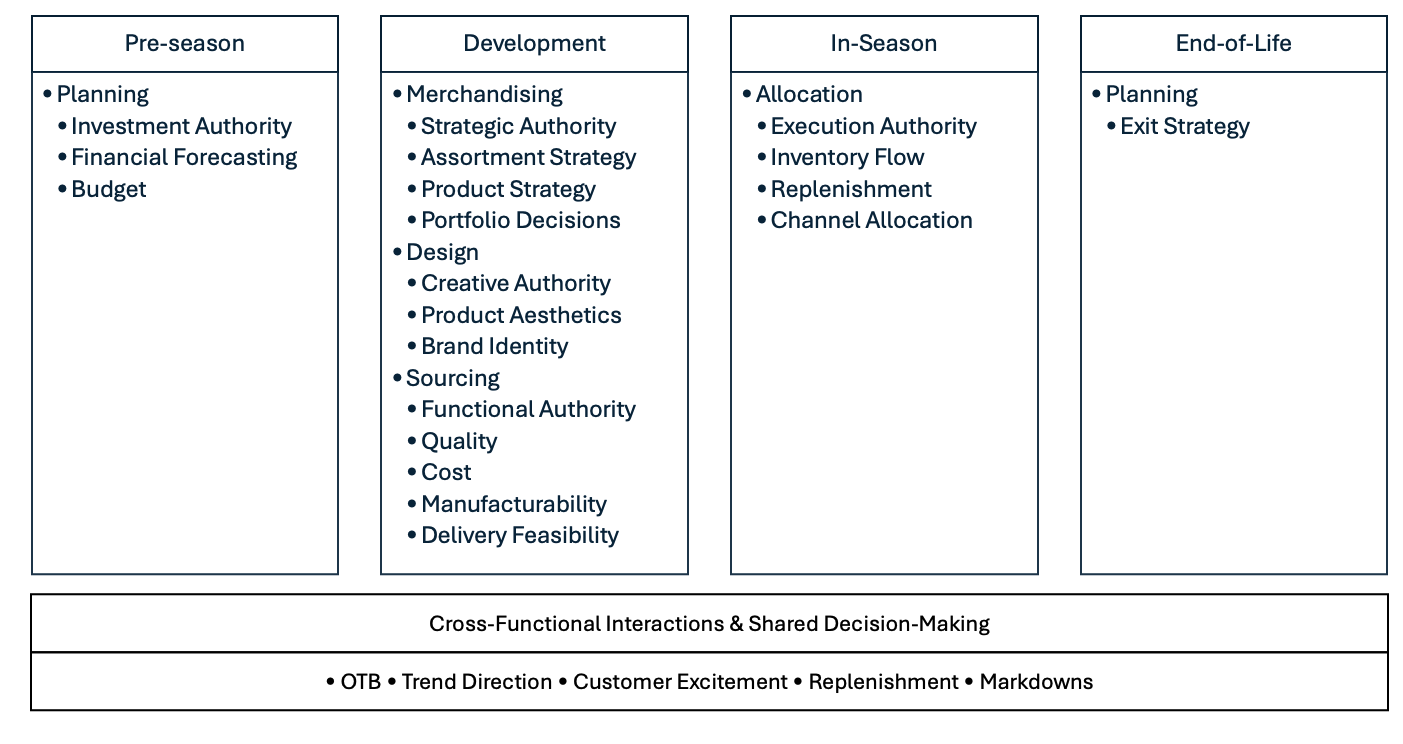
Product lifecycle management has become an increasingly collaborative organizational capability, yet little research has examined how decision authority is structured across product teams — including merchandising, planning, design, sourcing, and allocation teams. This research introduces the concept of Decision Architecture, demonstrating how authority systematically shifts throughout the product lifecycle as products move from planning and concept development through commercialization and in-season management. The framework extends research on cross-functional collaboration by explaining how organizations coordinate expertise, balance competing priorities, and improve responsiveness in rapidly changing retail environments.
Cross-Functional Decision Architecture
How is decision authority distributed across cross-functional product teams?
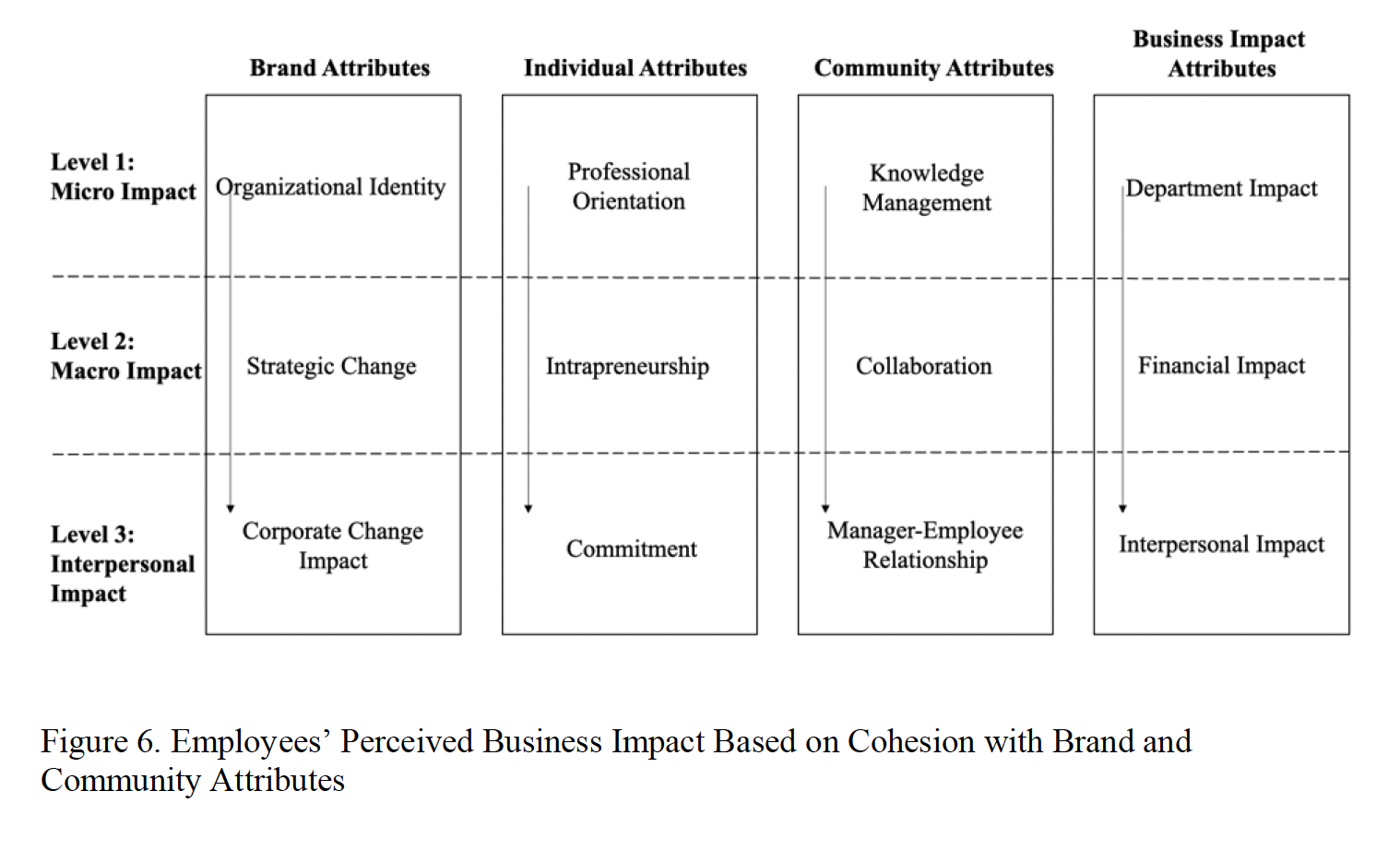
This research examines the role of corporate retail employees as active participants in organizational adaptation rather than passive implementers of strategy. Building upon General Systems Theory and psychological empowerment, the research develops the Strategic Change–Agency–Performance (SCAP) Framework, positioning employee strategic agency as the mechanism connecting strategic initiatives with operational and financial performance. This work expands organizational theory by identifying employees as critical agents in organizational resilience and continuous adaptation.
Employee Strategic Agency
How do employees translate strategic change into organizational performance?
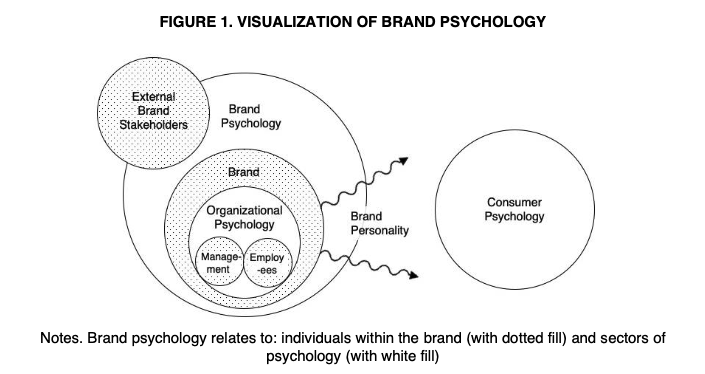
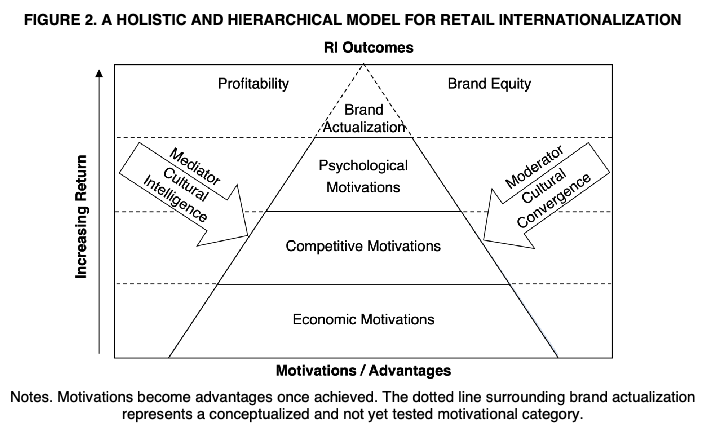
This research explores the strategic motivations that influence organizational growth, retail expansion, and international market development. By examining the relationship between organizational strategy, brand development, and internationalization, this work provides a holistic perspective on how retailers align long-term strategic objectives with evolving market opportunities and organizational capabilities.
Strategic Retail Leadership
Why do organizational leaders evolve organizations to support international expansion?