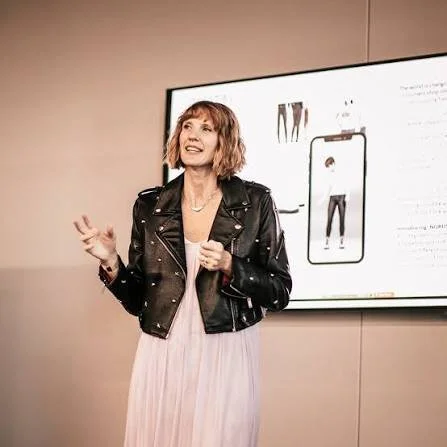
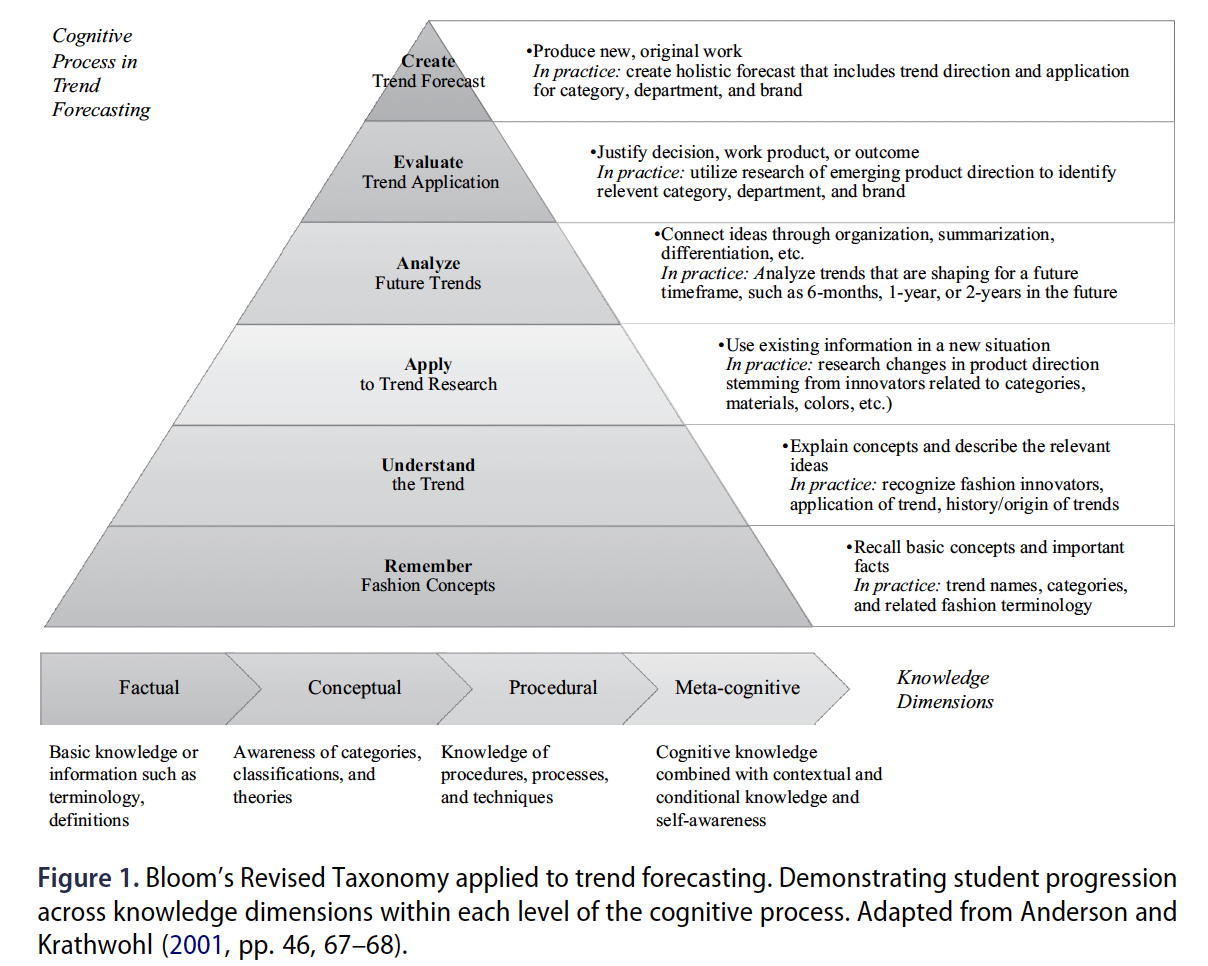
This research examines how creative coursework can serve as a catalyst for career discovery and professional development within fashion programs. Grounded in Bloom's Revised Taxonomy, the study presents the design and assessment of an innovative undergraduate forecasting course that integrates forecasting across design, merchandising, marketing, and visual merchandising rather than limiting it to product design. Findings demonstrate significant improvements in students' forecasting abilities, understanding of cross-functional industry applications, and awareness of career pathways, illustrating forecasting's value as a foundational capability for preparing future fashion professionals.
Career Discovery
Can we use trend forecasting as a Gateway to Career Discovery?
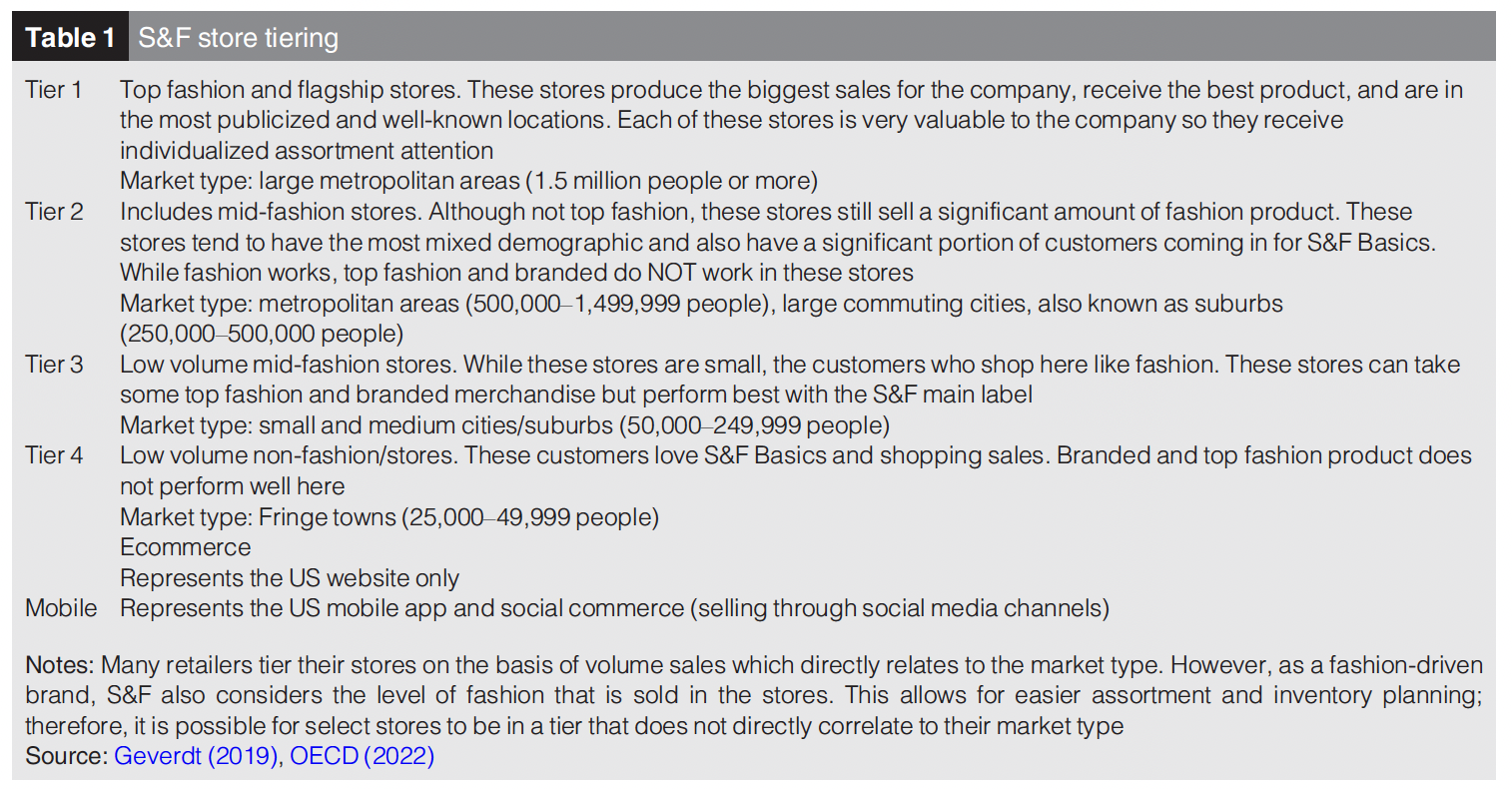
This teaching case, intended for upper-level undergraduates or graduate students, places students in the role of a retail merchandising executive responsible for developing a multi-channel assortment strategy across stores, e-commerce, and mobile commerce. Drawing on authentic retail decision-making scenarios, the case challenges students to evaluate assortment planning, pricing strategy, consumer segmentation, merchandising analytics, and omnichannel retailing while balancing financial performance with brand consistency. Designed for upper-level undergraduate and graduate courses, the case develops students' strategic decision-making skills by immersing them in the complex tradeoffs faced by retail leaders in rapidly evolving consumer markets.
Practicing the Art of Assortment Curation
How do we maximize assortment across different channels, store sizes, and types of consumer demand?
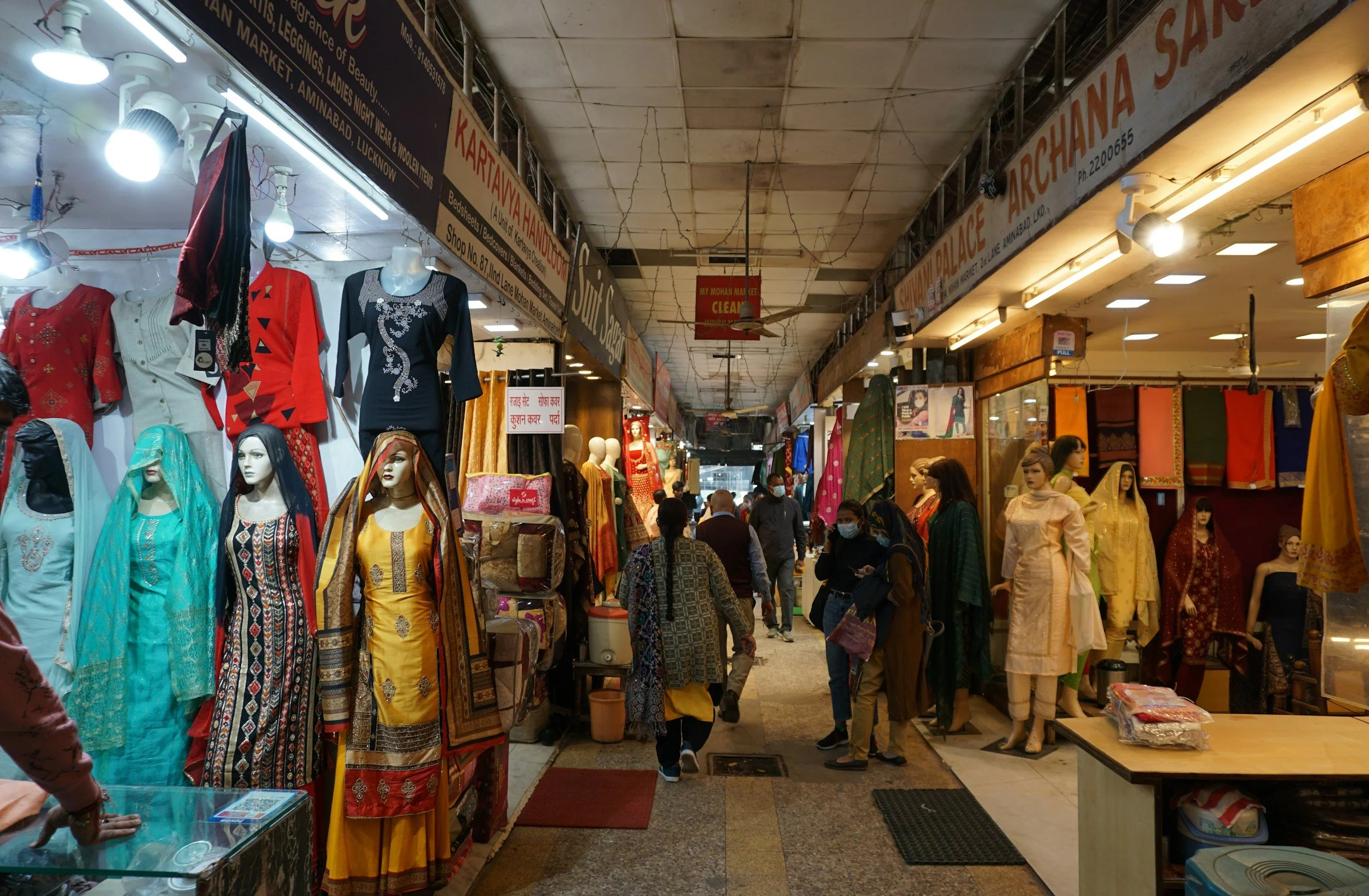
This research explores how global collaboration with partners across the United States and India can bring entrepreneurship and experiential learning to life through retail education. Through the development of a hybrid graduate course co-taught by faculty in the United States and India, the project integrated international perspectives, service learning, entrepreneurship, and Bloom's Revised Taxonomy to prepare students for increasingly global retail careers. The findings demonstrate how interdisciplinary, cross-cultural learning experiences can strengthen critical thinking, cultural competence, and students' ability to solve real-world business challenges while preparing graduates for leadership in an interconnected retail environment.
Educational Collaboration
How can we build a global course to benefit students across continents in creative and entrepreneurial endeavours?
Beyond peer-reviewed research, Dr. Testa's educational scholarship extends into curriculum development through The Forecast Lab at ASU FIDM, FSF University, and an ongoing partnership with The Design School at Arizona State University, merging Interior Design and Fashion Entrepreneurship through a retail studio. These initiatives translate strategy, research, retail innovation, organizational systems, and consumer insights into experiential learning opportunities that engage students with authentic industry challenges. Together, these programs demonstrate a research-to-practice approach that prepares students to think critically, collaborate across disciplines, and lead innovation in the rapidly evolving fashion and retail industries.
Educational Innovation in Practice