The Forecast Lab
ASU FIDM
Forecasting the Future Through Research, Creativity, and Collaboration
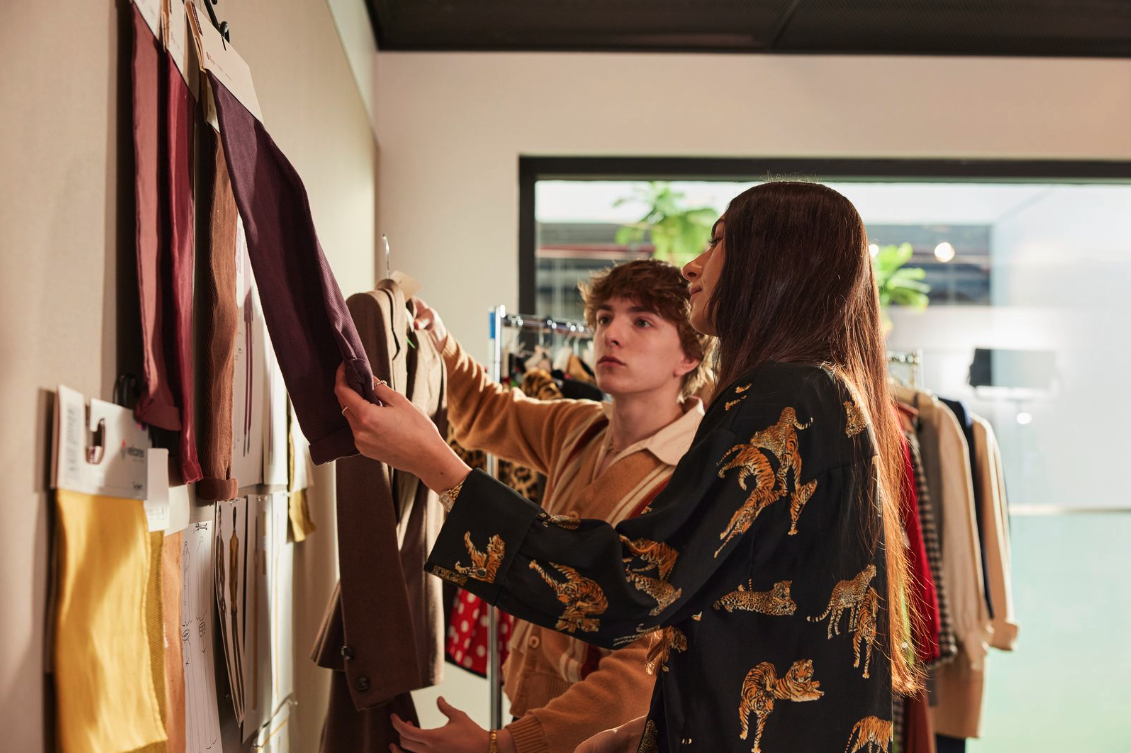
The forecast lab is a collaborative environment where students, faculty, and industry partners investigate the future of fashion, retail, and creativity.
Founded by Dr. Danielle Sponder Testa, The Forecast Lab at ASU FIDM explores how forecasting methodologies can help organizations anticipate emerging cultural, technological, economic, and consumer change. The lab bridges professional forecasting practice with academic research, creating a collaborative environment where students, faculty, and industry partners investigate the future of fashion, retail, and the creative industries.
Unlike traditional forecasting approaches that focus solely on trend prediction, The Forecast Lab emphasizes the development of research methodologies that connect macro-level change with creative decision-making. By combining scholarly inquiry, industry insight, and experiential learning, the lab equips students with the tools to transform emerging signals into actionable strategies for product development, consumer engagement, and innovation.
Research within the lab spans fashion, retail, design, consumer behavior, artificial intelligence, sustainability, and interdisciplinary creative practice, reflecting the increasingly interconnected nature of today's global marketplace.
SMACKES
Research Framework
Dr. Testa developed the SMACKES research methodology for forecasting, designed to bridge macro-environmental research with creative product development.
While established forecasting frameworks—including PESTLE, DEEPLIST, and STEPIC—provide valuable approaches to environmental scanning and analysis, they often stop short of helping creative professionals, particularly new researchers, in translating macro-level shifts into meaningful design, merchandising, branding, and strategic decisions.
SMACKES addresses this gap. It is a framework that better aligns forecasting research with the realities of creative industries.
The framework organizes forecasting research across seven interconnected dimensions.
Social
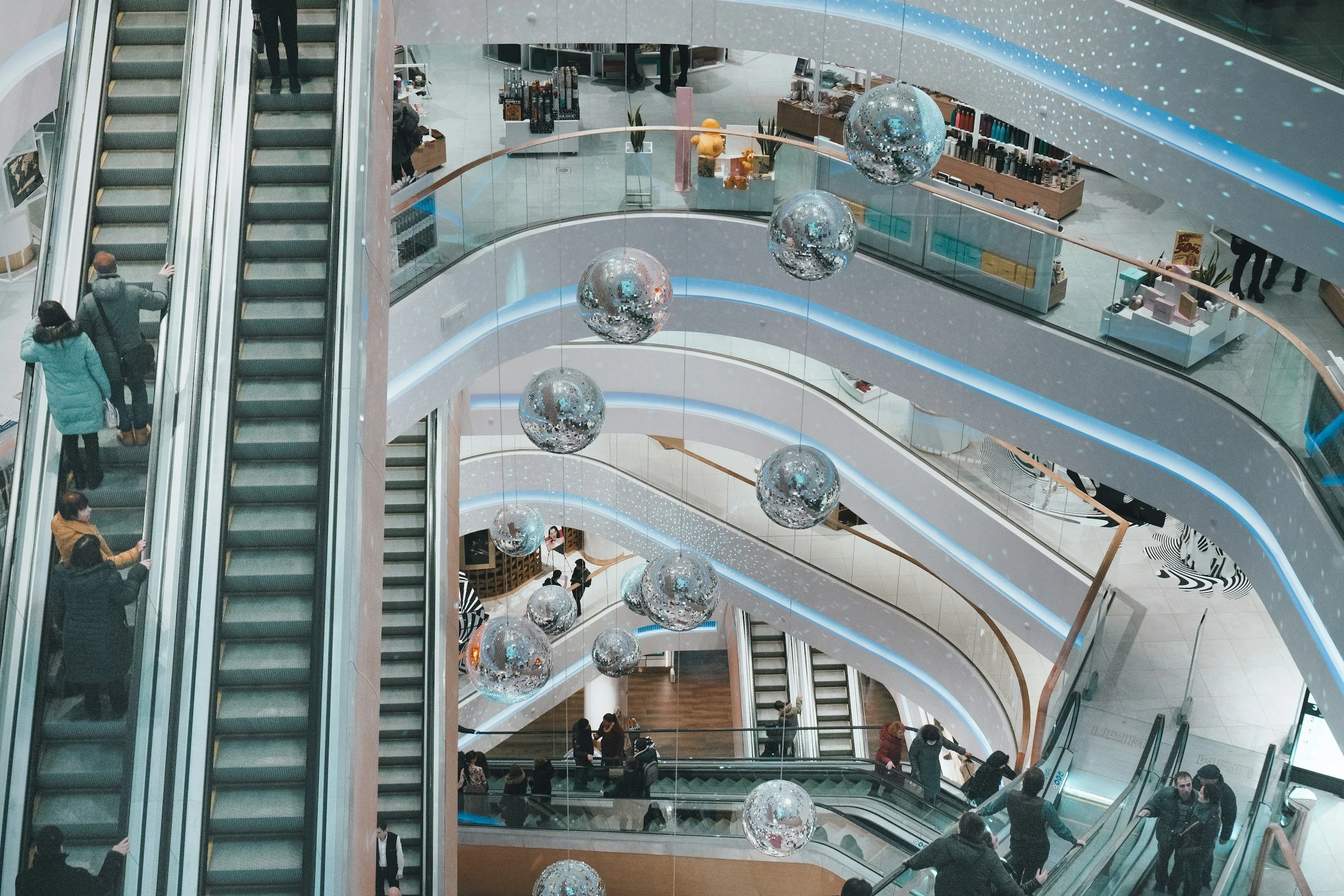
Market

Aesthetic
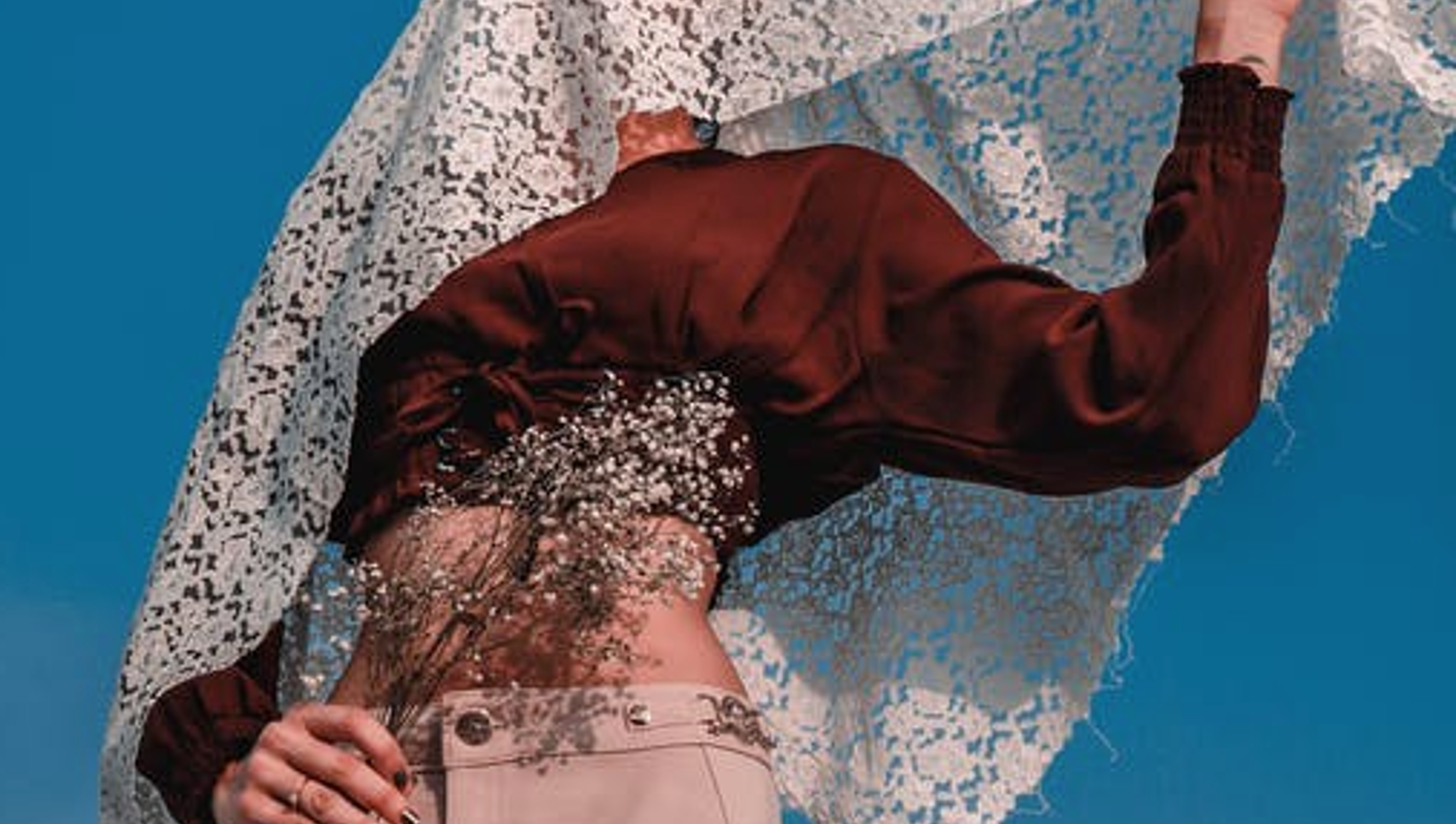
Consumer
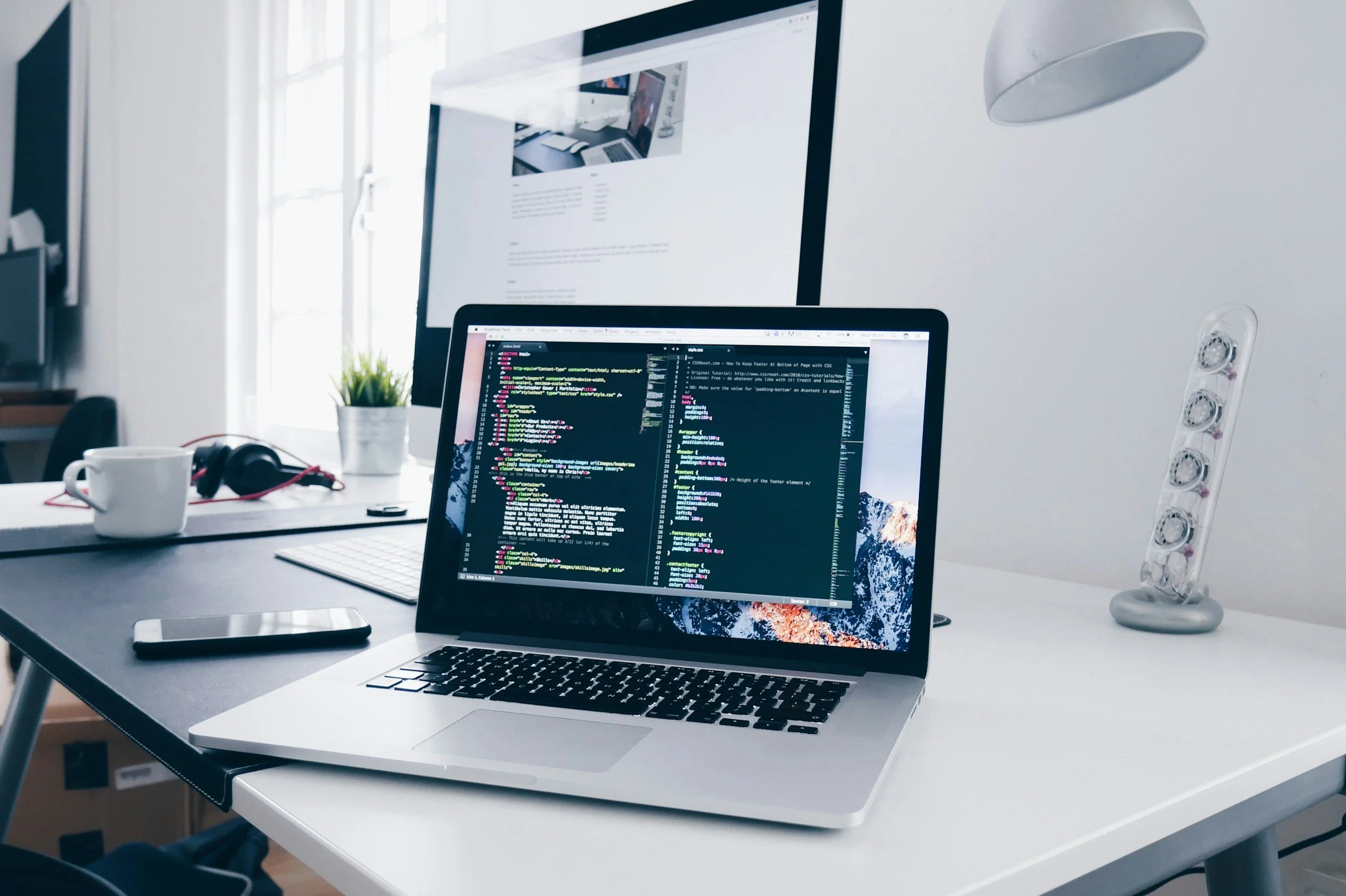
Knowledge
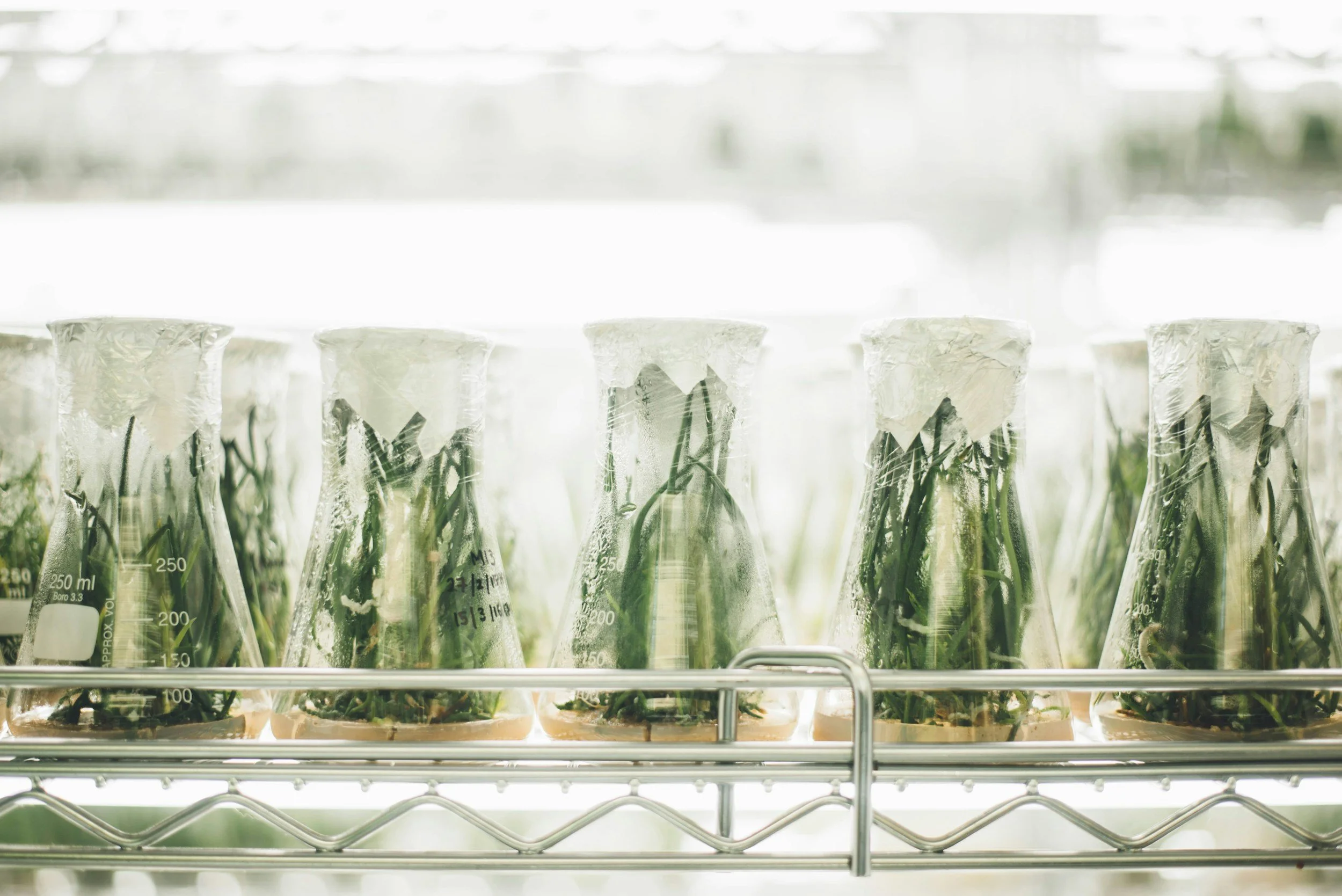
Science
Together, these dimensions encourage researchers to examine not only macro-environmental forces but also the creative, cultural, and consumer-centered drivers that influence innovation across fashion, retail, design, and other creative disciplines.
Developed through comparative analysis of industry forecasting reports, futures predictions, and undergraduate forecasting projects, SMACKES integrates structured environmental scanning with experiential learning and design thinking, providing a more accessible pathway for translating research into product direction and strategic innovation. Early findings indicate that the framework helps students more effectively connect macro-level insights to consumer needs, creative concepts, and product outcomes.
Today, the methodology serves as an evolving foundation for research conducted through The Forecast Lab, supporting applications across education, industry collaboration, and interdisciplinary forecasting practice.